Community5 min read
Social Network for Artists: Why You Need a Creative Community, Not Just a Feed

Partha Sarathi CeeraFounder, Gig'le
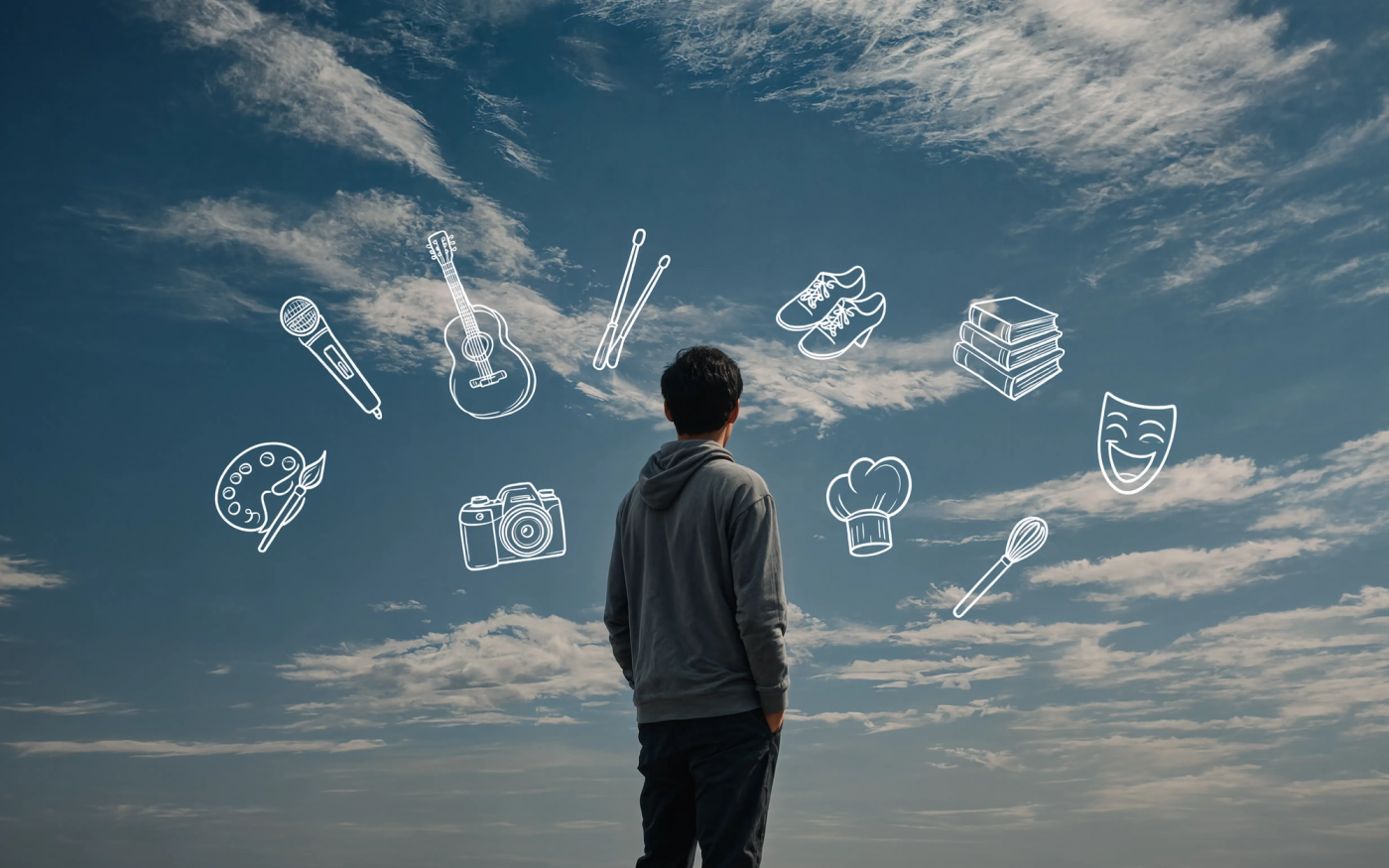
For most artists in India, social media has become a second studio. It is where you post your latest sketch, a reel of last night's set or a clip from a dance rehearsal. It is how people discover you, and occasionally it is how an opportunity finds you.
That is genuinely useful. But there is a difference between having an audience and having a creative community, and a general social feed is built for the first, not the second. You can have thousands of followers and still have nobody to ask when a piece isn't working, nobody to collaborate with on your next project and no idea where your next paid gig is coming from.
This guide looks at what social media does well for artists, where it falls short, and what to look for in a community or platform that helps you grow as an artist, not just be seen as one.
What social media does well for artists
It is worth being fair to Instagram, YouTube and the rest. For artists, they are excellent at:
- Reach. A singer in Hyderabad can be heard in Mumbai. A comic's clip can travel across the country overnight.
- A portfolio people can find. A well-kept profile is often the first thing an organiser checks.
- Discovery. You see work from artists you would never meet otherwise, in your craft and outside it.
If your goal is to be seen, a feed is a good tool. The problems start when it becomes the only place you experience the creative world.
Where a general feed falls short
An audience is not a community
An audience sees what you choose to show it. A community knows what is happening behind the finished work: what you are experimenting with, what you are stuck on, what you gave up on. Followers double-tap. A community tells you the second verse drags, or that your lighting is hiding your best expression.
Feeds only reward finished work
Every post competes with thousands of others, so you post your best take, your cleanest edit, your most polished piece. That is fine for promotion, but creative growth happens in the unfinished stage: the rough sketch, the new bit that might not land, the choreography you are still working out. When every experiment feels like it needs an audience, it is easy to stop experimenting.
The algorithm keeps your world small
A feed shows you more of what you already engage with. Follow contemporary painters and you will keep seeing contemporary painters. That is convenient, but the most useful ideas often come from people who don't work like you: a poet who hears a story in your painting, a photographer who changes how you think about framing, a guitarist who makes a dancer rethink the count.
Likes don't pay the rent
A reel can go viral and still not lead to a single paid gig. For many artists in India, paid work still comes through personal connections: an organiser who saw you at an open mic, a friend who recommended you, a venue that needed a performer at short notice. A feed is not built to connect you with organisers and venues.
What a creative community gives you that a feed can't
Feedback on work in progress. In a community you can share something unresolved and ask what isn't working, without worrying that the conversation is now content.
Collaborators. Many good projects start with an introduction: a singer meets a guitarist, a poet meets an illustrator, a dancer meets a videographer who needs someone for a music video.
Local knowledge. Which cafés run open mics, which organisers pay on time, where to rent equipment, how other artists price their work. None of this is written down anywhere, and most of it travels by word of mouth.
A reason to keep making. A weekly jam night, a monthly workshop or a group of artists who expect to see new work gives your practice a rhythm. On a tired week, that is often the difference between making something and making nothing.
Opportunities. Open calls, commissions, gigs and events are often shared inside communities, and may never show up in your feed.
What to look for in a platform for artists
If you are looking for an app or platform for artists, as opposed to another place to post, a few things matter more than follower counts:
- It is built around your craft. Musicians, dancers, comedians, actors, writers, visual artists, photographers and filmmakers need different things. A good platform lets you find people and work in your own craft.
- It is local. Creative work is often local. You want to see what is happening near you, not just what is trending nationally.
- It has real opportunities. Look for paid gigs with the pay stated up front, and events you can actually attend or perform at.
- Organisers are on it too. A community of artists is good. A community where organisers and venues also look for artists is better.
- You can share work in progress. If the only thing that gets attention is polish, it is just another feed.
Where to find your creative community in India
Offline. Start with what is already near you: open mics, jam nights, poetry readings, comedy nights, dance workshops, art walks, college fests and community studios. Go more than once. Communities are built through repeated, ordinary encounters, not a single visit.
Online, but craft-first. This is the gap Gig'le was built for. Gig'le is a social network for India's creative community, where musicians, dancers, comedians, actors, poets, visual artists, photographers and filmmakers share their work, find paid gigs, and discover and host events in their city.
On Gig'le you can:
- browse open gigs and see the craft, location, experience level and pay before you apply;
- find upcoming events like open mics, jam nights and workshops near you;
- follow your craft on its own page, for example music, or browse all ten crafts;
- see what's on in Hyderabad, and in other cities as they grow;
- share your work so organisers can see it when you apply.
Creating an account and browsing are free. Here's how it works.
A practical checklist for choosing a creative community
Before you join
- Decide what you need most: feedback, collaborators, paid work, practice time or industry contacts.
- Look past the polished page. How a group presents itself is not how its members actually interact.
- Check what happens regularly: sessions, critiques, jams, workshops, not just promotional events.
- Ask who is active. Ten engaged artists are worth more than a thousand silent members.
When you visit
- Notice the feedback. Is it specific and useful, or automatic praise?
- Watch how people disagree. Good communities can challenge an idea without putting someone down.
- See whether opportunities are shared: gigs, open calls, collaborations.
- Look for a mix of experience. Different crafts and career stages broaden your perspective.
Once you are in
- Show up consistently. Trust builds through repeated contact.
- Share what you know: a good venue, a fair organiser, a useful contact.
- Bring unfinished work. That is where a community is most useful.
- Review the fit now and then. Your needs will change as your practice grows.
Use social media for reach, and a community for growth
There is no need to choose. Keep using Instagram and YouTube to be seen. But don't expect a feed to give you feedback, collaborators or paid work. Those come from people who know your craft, in a place built for it.
The internet can show you an enormous creative world. What helps you grow is a smaller one: a few people who take your work seriously, tell you the truth about it and think of you when an opportunity comes up.
Join Gig'le to find yours.
Frequently asked questions
What is the best social media for artists in India?
- It depends on what you need. Instagram and YouTube are best for reach and showing finished work. For feedback, collaborators and paid work, a craft-focused community helps more, such as Gig'le, which brings together artists, organisers and venues.
Is there an app for artists to find paid work in India?
- Yes. On Gig'le, organisers post paid gigs for musicians, dancers, comedians, photographers and other artists, with the location, experience level and pay stated on each listing. Creating an account is free. To apply, open the gig and press Apply, and the organiser who posted it is notified straight away.
What is a creative community?
- A group of people who make things and take each other's work seriously. They share feedback, opportunities and practical knowledge, collaborate, and keep each other making. It is different from an audience, which only sees the finished work.
How do I find other artists to collaborate with near me?
- Go to local open mics, jam nights, workshops and exhibitions, and go more than once. Online, look for platforms organised by craft and city, so you can find people in your field nearby, see their work and get in touch.

Partha Sarathi Ceera
Founder, Gig'le
A former performing musician in Hyderabad, he writes about live performance, artist collaboration and opportunities in India's independent arts scene.
Keep reading

Find your people on Gig'le
Share your work, find paid gigs and discover events near you. Creating an account is free.
Create an account