For artists6 min read
Social Network for Musicians: Why a Music Community Beats a General Feed

Partha Sarathi CeeraFounder, Gig'leUpdated
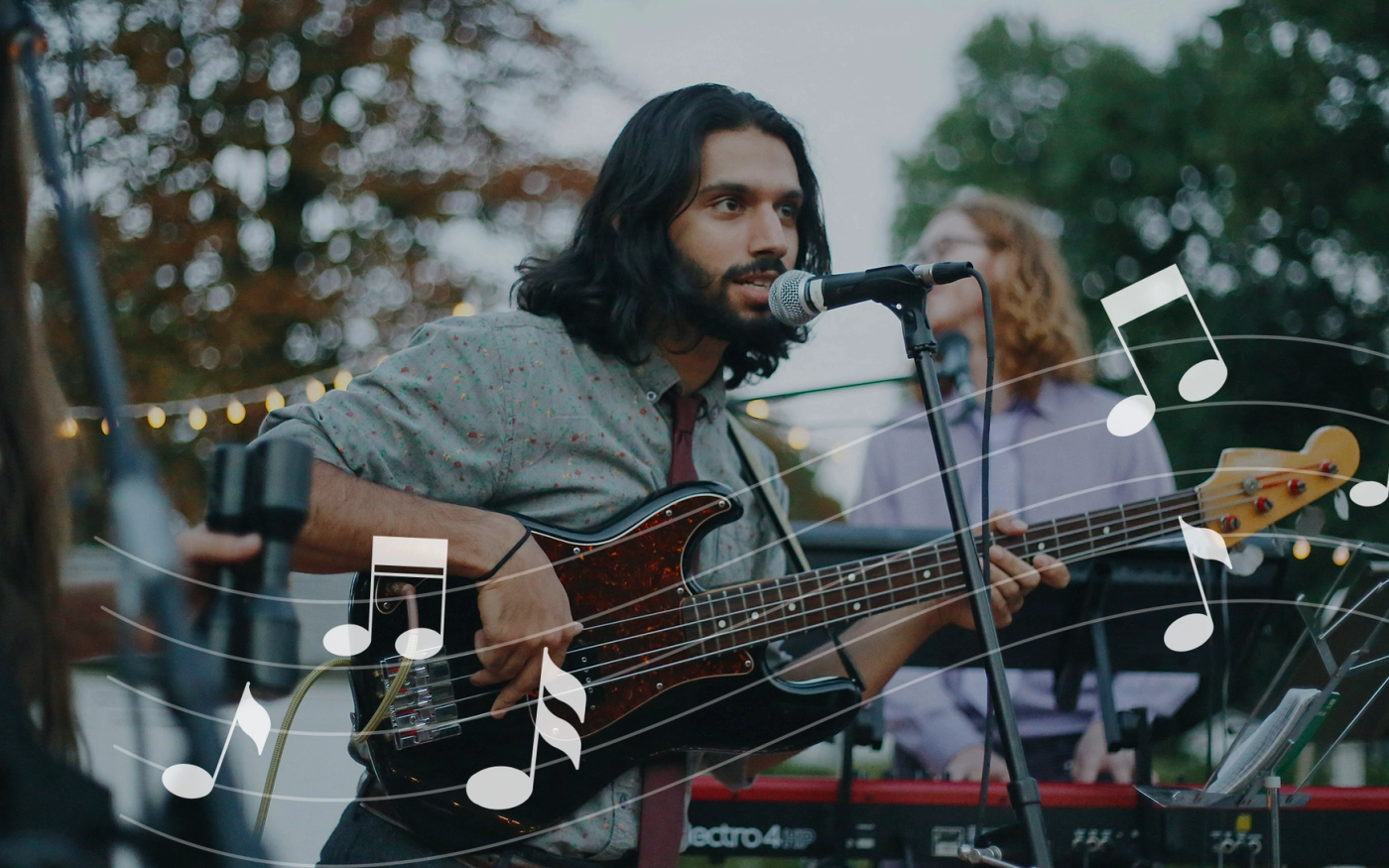
Social media has made it easier than ever for musicians in India to be heard. A singer in Hyderabad can post a cover tonight and have listeners in Pune by morning. A band can share a rehearsal clip, a guitarist can post a tone breakdown, and a DJ can stream a whole set.
That reach is valuable. But there is a limit to what a general social platform can do for a musician. A feed can show people your finished performance. It can't tell you why your mix sounds muddy, find you a drummer who can actually hold the tempo, or tell you which café pays performers on time.
That is where a music-specific community comes in.
General social media gives you reach. A music community gives you depth.
Platforms like Instagram are built to mix every interest together. You can scroll from a cover song to a cooking video to a cricket highlight in seconds. That is fantastic for discovery, and it is why social media matters for musicians and bands.
For developing as a musician, though, it has limits. A listener who has never played an instrument might enjoy your cover without hearing that the bridge rushed, or that the arrangement leaves no room for the vocals. Someone might love a live clip without knowing how much work went into making a four-piece band sound that tight on a café sound system.
In a community of musicians, the conversation goes past "nice". Members talk about gear, tone, arrangements, rehearsal habits, sound checks, set lists and what went wrong at last week's gig, in detail.
Music is learned by playing with people
There is a kind of knowledge that doesn't travel well through a post.
You can watch a video of a guitarist's technique. You can read about how to warm up your voice. You can study a drummer's fills frame by frame. But sometimes you need someone in the room to tell you that you're dragging behind the beat, or that you're singing from your throat again.
Music is physical and built through repetition, and much of it is learned by playing with other people: locking in with a bassist, following a band leader's cues, reading a room at an open mic. Social media can introduce you to a technique. Playing alongside other musicians is how you actually get it.
You learn faster when everyone understands the work
A general creative group has its value. A painter or a poet can give you a fresh take on a song, and musicians shouldn't only talk to musicians.
But sometimes you don't need another opinion on whether a track "feels interesting". You need someone who understands why the vocal sits too far back in the mix, why the band sounds thin without a keys player, why the crowd went quiet during the third song, or why an original isn't landing even though you can't say what is wrong.
In a musicians' community, these conversations move quickly, because nobody has to explain the basics. Disagreement is more useful too, when it comes from someone who understands the choices behind the music.
A music community makes practical knowledge easier to share
Musicians spend years figuring out things that no music school teaches:
- Which venues and organisers pay on time, and which ones don't?
- Where can you rent a decent PA or a backline for a weekend show?
- Which rehearsal spaces are affordable and properly soundproofed?
- How do you price a wedding gig compared with a café set?
- Who records demos well without charging studio rates?
- How long should a set be for a corporate event?
None of this sounds very creative, but it decides whether someone can keep playing music for a living. A good community works as a practical knowledge network: people recommend what they have tested, warn each other about unreliable organisers, and pass on contacts.
Feedback from people who understand the constraints
Good feedback isn't about whether someone likes your song. It's about whether they understand what you were going for and can help you get there.
A non-musician might say a performance felt flat. That reaction is still useful. But a fellow musician can take it further: suggest a different key for your voice, a sparser arrangement, a better order for the set, or a simpler way to get the sound you want with the gear you have.
Specific feedback is much easier to act on.
Gigs come through people
Here is the biggest gap between social media and community for musicians: paid work.
A reel can go viral and still not lead to one paid gig. For many musicians in India, gigs still come through personal connections. An organiser saw you at an open mic. A bandmate recommended you when a venue needed a last-minute act. A friend of a friend was planning a wedding sangeet and needed a singer.
The algorithm isn't built to connect you with organisers and venues. A community is, and a platform that brings musicians and organisers together does it on purpose.
What to look for in a platform for musicians
If you are choosing where to put your time online, look past follower counts:
- It's built for musicians, not everyone. You should be able to find singers, instrumentalists, DJs and bands, and work that is actually for them.
- It's local. Live music is often local. You want to see the gigs, open mics and jam nights near you.
- It has real, paid gigs. Listings should state the location, the experience level wanted and the pay up front.
- Organisers are on it. Organisers and venues should be there posting gigs, not only other musicians.
- Your performances are your portfolio. When you apply, the organiser should be able to hear and see what you do.
Where to find gigs for musicians in India
Offline. Open mics, jam nights, music meetups, college fests and workshops are still among the best ways into your local scene. Go more than once, stay after your set, and talk to the other performers.
Online, on a platform built for it. Gig'le is a social network for India's creative community, and music is at the heart of it. On Gig'le you can:
- browse music gigs and events in one place;
- filter the Gigs board by Music and your city, and see the location, experience level and pay on every listing;
- find open mics, jam nights and gigs near you, or see what's on in Hyderabad;
- press Apply on a gig. The organiser who posted it is notified and can accept or decline, and you agree the pay and the details with them directly;
- share your performances, so organisers can hear you when you apply.
Creating an account is free. See how it works. Organisers and venues can post gigs and events for musicians too.
Community doesn't mean closed off
Don't take music-only too far. A music community shouldn't become a bubble.
Musicians gain a lot from other crafts: a poet can sharpen your lyrics, a dancer can change how you think about rhythm, a videographer can turn a live session into your best piece of promotion. Gig'le covers ten crafts, not just music, and many of the best collaborations cross from one to another.
Think of general social media as the wide view of the music world. A music community is where you work through the details.
You need both.
A practical checklist for finding your musicians' community
Before you join
- Check the focus. Is it really about making music, or just using music as a theme?
- Look at who takes part. Are there active musicians at your level and above, and organisers who post opportunities?
- See what happens regularly: jams, open mics, workshops, listening sessions, not just promotion.
- Look beyond the Instagram page. A good-looking feed doesn't mean a good community.
When you visit
- Notice the feedback. Is it specific enough to help someone play better?
- Watch how experienced musicians treat beginners.
- Ask what gets shared: gigs, gear, rehearsal spaces, contacts, sound engineers.
- Talk to musicians at different stages of their careers.
Once you're in
- Show up regularly. Familiarity is what turns a room of musicians into a community.
- Share your process, not just your finished tracks.
- Pass gigs on. A gig that doesn't suit you might be perfect for someone else, and they will remember it.
- Stay curious about other crafts.
Use social media to be heard, and a community to grow
There's no reason to quit Instagram or YouTube. They are among the best discovery tools a musician has.
But being heard is only the beginning. To get better, and to find paid gigs, you need feedback, practical knowledge and people who think of you when a gig comes up. That is hard to build through a general feed.
A music community gives you somewhere to play, learn and get discovered by organisers. Join Gig'le and find yours.
Frequently asked questions
What is the best social media for musicians in India?
- Use each platform for what it does best. Instagram and YouTube work well for short clips and live performances, and streaming platforms for released music. For finding collaborators and paid gigs, a music community is more useful. On Gig'le, musicians share their work and apply to gigs posted by organisers.
How can musicians find paid gigs in India?
- Play open mics and jam nights to meet organisers, and keep your performance videos up to date. On Gig'le, you can filter the Gigs board by Music and your city to see paid gigs, with the pay stated on each listing, and press Apply on the ones that suit you. Pay is agreed directly with the organiser who posted the gig.
How do I find other musicians to start a band with?
- Go to jam nights and open mics in your city, since many bands start there. Online, use a platform where musicians are organised by craft and city, so you can find singers, guitarists, drummers and producers near you and listen to their work before you get in touch.
How should bands use social media?
- Use it to be heard: post short live clips, rehearsal moments and announcements for upcoming gigs. Don't rely on it to find gigs. Venues and organisers find bands through people and through platforms where they post gigs, so make sure your band is listed where organisers and venues are looking.

Partha Sarathi Ceera
Founder, Gig'le
A former performing musician in Hyderabad, he writes about live performance, artist collaboration and opportunities in India's independent arts scene.
Keep reading


Find your people on Gig'le
Share your work, find paid gigs and discover events near you. Creating an account is free.
Create an account